

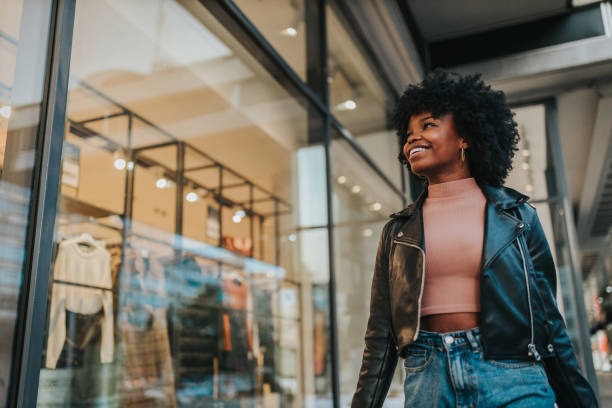
Kawaii clothes are steadily transforming the landscape of everyday fashion by introducing a playful, colorful, and expressive aesthetic that appeals to diverse age groups and cultural backgrounds. Originating from Japan, the term “kawaii” translates to “cute” or “adorable,” and it encapsulates a style characterized by pastel colors, whimsical patterns, oversized silhouettes, and charming motifs such as cartoon characters or sweet food items. What makes kawaii fashion particularly influential today is its ability to blend innocence with creativity while encouraging wearers to embrace individuality in their daily attire.
Unlike traditional fashion trends that often emphasize sophistication or minimalism, kawaii clothing invites people to experiment with fun textures and bold combinations without fear of appearing unprofessional or out of place. This shift challenges conventional norms about what constitutes appropriate dressing for work environments or casual outings. The rise of remote work and more relaxed dress codes has further accelerated this movement by allowing individuals greater freedom in expressing their personality through clothing choices. As a result, kawaii styles have found their way into mainstream wardrobes beyond niche communities.
One key factor driving the popularity of kawaii clothes is social media platforms like Instagram and TikTok, where influencers showcase how these vibrant outfits can be styled creatively for various occasions. These platforms provide accessible inspiration for those unfamiliar with the trend while fostering a sense of community among enthusiasts worldwide. Additionally, many brands have started incorporating kawaii elements into their collections due to increasing consumer demand for unique designs that stand out from mass-produced garments.
The impact of kawaii fashion extends beyond aesthetics; it also promotes positive emotional experiences associated with wearing cheerful clothing. For many individuals, choosing cute apparel serves as an uplifting form of self-care that boosts confidence and mood throughout the day. It offers an alternative approach to dressing that prioritizes joy over conformity or status symbols commonly seen in luxury fashion sectors.
Moreover, kawaii clothes encourage sustainability through slow fashion principles embraced by some designers who focus on quality materials and timeless appeal rather than fast-changing trends. By investing in pieces that bring happiness and comfort consistently over time, consumers contribute less waste while enjoying versatile wardrobe options.
In summary, kawaii clothes are redefining everyday fashion by merging creativity with comfort and emotional well-being. Their growing acceptance highlights a broader cultural shift toward embracing authenticity within personal style choices across different settings globally. This trend underscores how clothing can serve not only as protection against the elements but also as an empowering medium for self-expression in contemporary society’s evolving sartorial landscape.